
The Good China
What does it mean when we long for longing?

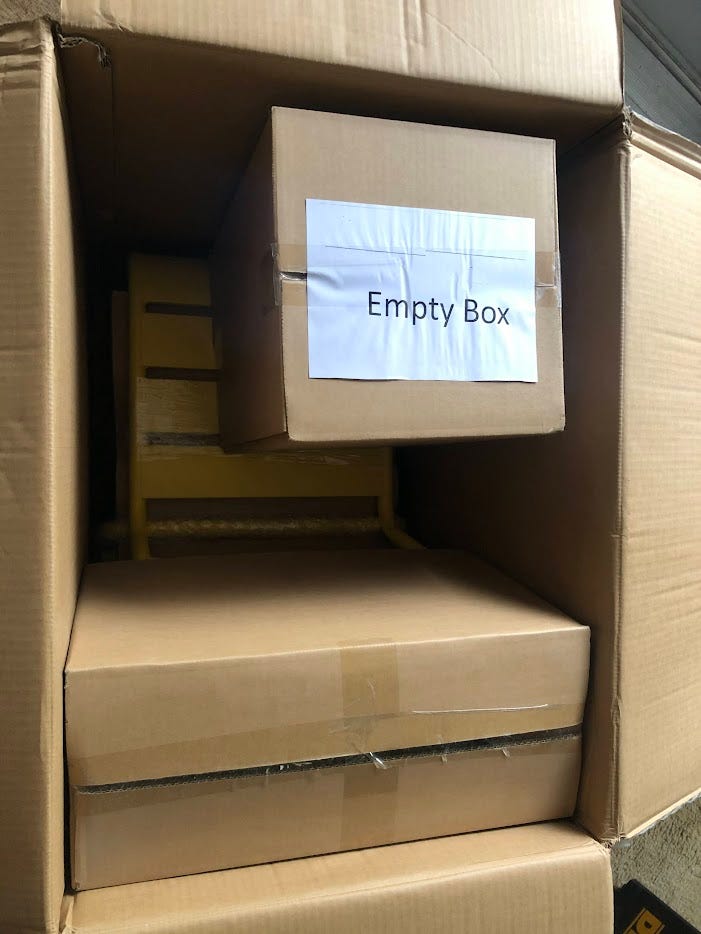
The box was the last I opened during the clean out. A bare lightbulb lit the space overhead, a sliver of sun filtered through the basement window. I removed the gloves I wore to lug out bags of garbage once I saw the care with which the box had been packed. Tissue paper and velvet slid between my fingers. Inside: Wedgwood china, two boxes of velvet-wrapped sterling silverware, two crystal coupes. The box was made of cardboard. On its side in marker it read: Hope Chest.
Mavis’s family had built the house. She was eighty-nine when her children moved her back to Long Island and we bought the house in The Catskills.
I never learned who the hope was for. Only that it had been packed with great care, and tucked away.*
***
It’s well past bedtime and I’m lying in bed, face lit by my screen, brightness lowered so I don’t wake Ben. I’m reading the news, jumping from one article to the next, my stomach tightening. I’d pick at my cuticles, but need both hands to hold the phone and swipe. I open Instagram instead, a cacophony of disjointed images and video, a barrage — the Peanuts gang is singing The Smiths, bombs are dropping, politicians are preening, and here is thirty seconds on the best way to mulch my flowerbeds.
I land on a blonde influencer with a Parisian accent who explains the difference between the way American women and French women apply their makeup. We do it wrong. They understand skin care. Luckily, for around $90 I can have the kit that fixes me. She looks calm. Refreshed. Youthful.
The ad follows me for weeks, screen to screen, Instagram to YouTube to Facebook to some news site I was only half reading. The first time, I roll my eyes. The next time, I catch myself running a hand across my face, checking for dry spots. Maybe I need a serum and not a tinted moisturizer. In each ad a new woman sweeps the product across half her face and shows me how little concealer it takes — a swipe of lip oil, a few dots worked into the cheeks, and there she is, awake to the world.
I add it to the cart. I don’t even have to fetch my credit card. It’s saved there on my phone. Convenient. I pay the extra $5.90 to have it arrive the next day. When it arrives, I immediately apply it to my face, examining my skin up close in my brightly lit bathroom mirror, wrinkling my face with doubt before tossing it into my overstuffed makeup bag, next to the three tubes of once-promising, identical creams.
Perhaps it’s your makeup bag, perhaps it’s your house.
This is how we were raised. A good citizen is a good consumer.
“Show your confidence. Show you’re not afraid. Go to restaurants. Go shopping.” Giuliani, post-9/11.
Now the ads tell me to purge my closet of everything I don’t want anymore, to make some money back on Vinted, Poshmark, eBay, which god knows we might need when the AI takes our jobs. You have a goldmine at home, or maybe in the storage space you rented when the closet bulged and the boxes threaten the doorways. A mini-Collyer mansion. And when you sell it all, the ads tells me, you’ll have enough money to start all over again. Rinse and repeat.
Marie Kondo asked what sparked joy. But do we even know what that is anymore? We were told it was consumption, the gratification of buying something new and having it arrive. The serum promised joy and delivered a thud of reality. It held no magical power, no joy. I sort plastic and cardboard packaging into the recycling bin, a pang of empty longing in my belly.
I pay an extra $2.99 to have Amazon send me toothpaste and a new lamp. The app lets me track the driver, a small blue dot floating on the streets of Manhattan, coming closer and closer to my home.
I need the toothpaste. I want the lamp.
Our longing is truncated. We have no idea what sparks joy, because there is no unmet desire. But longing and delayed gratification are uncomfortable. We ask our limbic system to quiet its ceaseless hunger for a quick hit of dopamine, to let the prefrontal cortex do its job and weigh the consequences. We stack the Amazon boxes at the door, the drained exhaustion inside.
We spent our lives honing our need for more and now we yearn to quiet that need for more. There is even a drug for appetite now. We call it “noise,” that biological, physiological state that signals a need for fuel that is so intertwined with our emotions that we can’t pull them apart. A wonder drug, but what is living if not that hunger that makes us feel alive?
Did Mavis understand something when she swaddled the good china in the box, treasuring it?
There are few things that make me feel more abundant than standing in our kitchen and looking at the full jars of grains and nuts lined up above the sink. I don’t want to touch the jars, I like keeping them full for a day we might need them. Until then, I will just gaze at the bounty as I wash away the remnants of our dinner, running the soapy brush over the dishes and letting the warmth of the water pour over my hands, breathing in the scent of lemon and eucalyptus, not needing anything more than this moment.
Except that reminds me we’re running low on hand soap.
I’ll order that in just a minute.
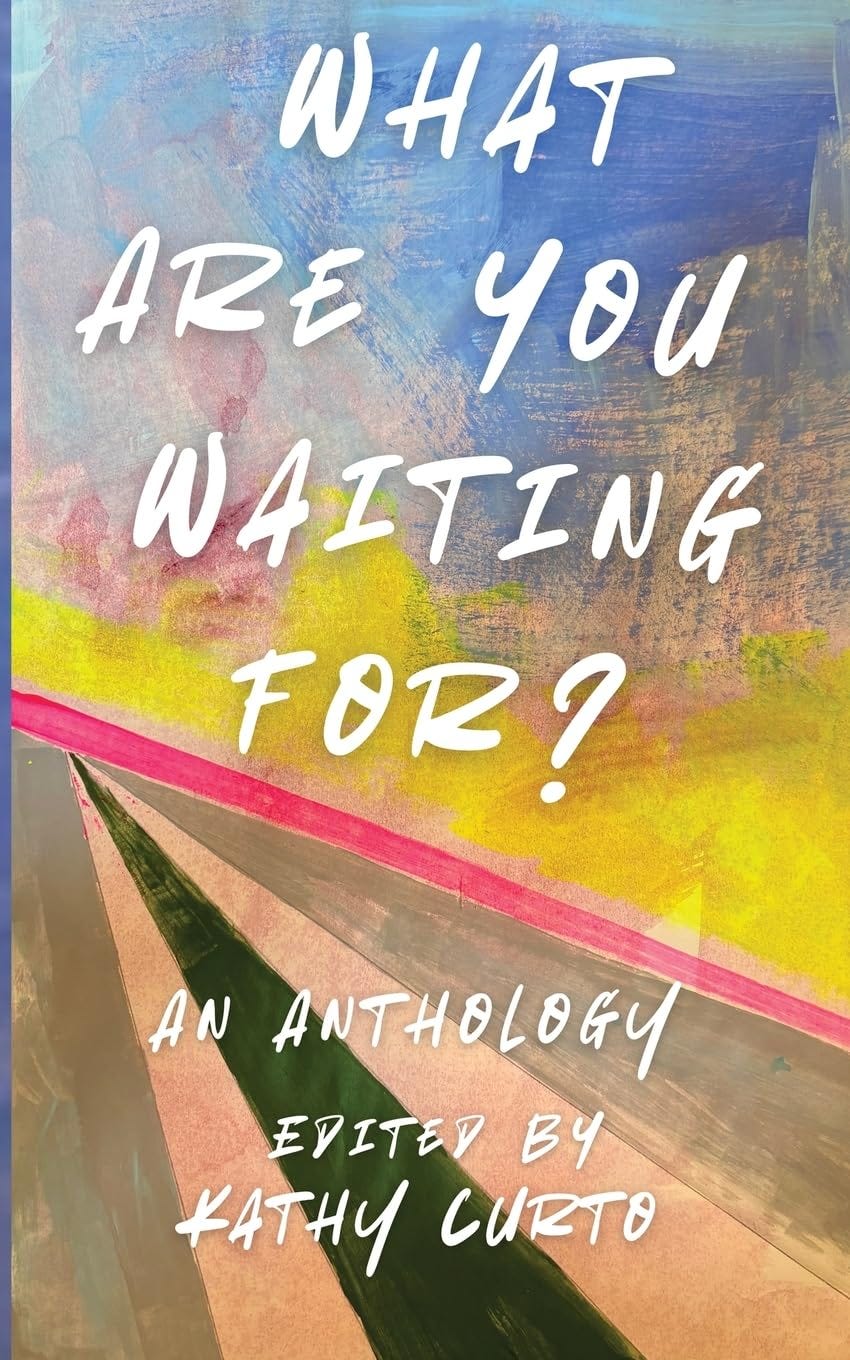
*Today’s newsletter grew out of “Hope Chest,” my piece in Kathy Curto’s anthology What Are You Waiting For, out on July 21, 2026. Mavis, and the box that started all of this, live there in full. You can pre-order it here or here or here. I’ll also be reading from it this summer at the following times. Please join us. I’d love to see you.
P&T Knitwear, LES, Thursday, July 23, 6:30 pm
Sarah Lawrence College, Bronxville, Tuesday, July 28, 6:30 pm
Bruce’s Garden, Inwood, Wednesday, August 12, 6:30 pm
So good, so relatable. I just added the August event to my calendar. See you then!
This was so good!!